La fuerza para búlder debe apoyar los taloneos, los apoyos altos de pies y los movimientos controlados en la pared. Combina extensión de cadera, flexión de rodilla y técnica de escalada. Los Nordics pueden complementar sin sustituir la técnica ni garantizar ausencia de lesiones.
¿Por qué carga el taloneo los isquiotibiales?
El talón tira contra la presa mientras se controlan cadera y rodilla. La exigencia depende de la posición y puede ser alta. La literatura sobre escalada describe lesiones agudas de isquiotibiales con esta técnica. Aumenta la tracción gradualmente y no pruebes repetidamente un taloneo doloroso con fuerza máxima. (Ehiogu et al., 2020)
¿Qué ejercicios pueden complementar?
Elige extensión de cadera, como puente o peso muerto rumano ligero, y flexión de rodilla, como un curl deslizante corto. Los talones deben deslizarse libremente. Controla pelvis y recorrido. Unas pocas series de calidad con margen son un ejemplo inicial, no rehabilitación individual.
FOTO REAL DEL PRODUCTO
LA HERRAMIENTA DE ESTE ARTÍCULO
Nordic curls sin compañero ni banco — eso es Nordbelt.★★★★★ 4,8 en Google · 250+ deportistas
Descubrir Nordbelt
€39,99
€34,99Envío gratis · 30 días para devolverlo
★★★★★
“Imprescindible para cualquier deportista comprometido.”
Próximos pasos prácticos
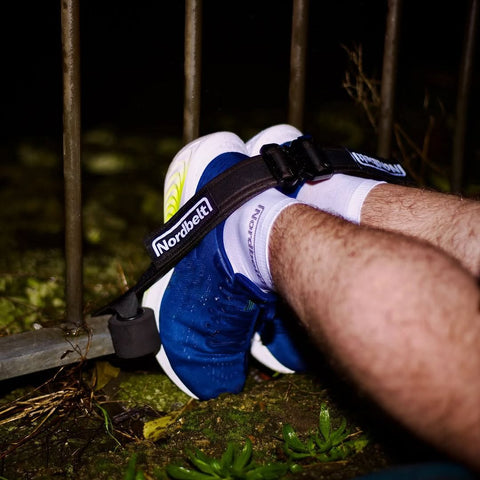
Para los Nordic curls asistidos, Nordbelt permite fijar los tobillos. Antes de cada sesión comprueba el anclaje, el apoyo de las rodillas y el espacio para apoyar pronto las manos. El accesorio no sustituye la técnica ni la progresión gradual. La guía de uso explica el montaje y la posición inicial.
PROTOCOLO GRATUITO DE 10 SEMANAS
Haz progresar tu Nordic curl desde la primera repetición hasta
la semana 10.
Un plan concreto de 7 páginas: progresa semana a semana, sin ir demasiado rápido.
01Progresión clara semana a semana
02Técnica y errores que conviene evitar
03Un registro sencillo que sí usarás
≤51%
menos de lesiones de isquiotibiales en programas que incluyen el Nordic Hamstring Exercise (NHE)
✓Respaldado por la ciencia
Van Dyk et al., 2019: metaanálisis de programas con NHE. No evalúa el efecto de Nordbelt ni de este protocolo.
✓
Tu protocolo ya está listo
Vuelve a abrir la página de descarga o revisa el correo que te enviamos.
Una variante corta y asistida puede añadir trabajo excéntrico de los flexores de rodilla. Revisa el anclaje, el apoyo de las rodillas y el apoyo temprano de las manos. La investigación sobre Nordics se refiere sobre todo a otros deportes y no demuestra prevención de lesiones por taloneo en búlder. (van Dyk et al., 2019)
¿Cómo organizarse alrededor de la escalada?
No sitúes ejercicios nuevos y pesados justo antes de una sesión exigente de búlder o taloneos. Observa el control y la respuesta al día siguiente. Reduce ante una caída clara del rendimiento. Dolor súbito, chasquido, hematoma o debilidad requieren parar y valorar, no otro intento máximo. (Schöffl et al., 2016)
No. Elige según objetivo y capacidad. Otros curls y extensiones de cadera también pueden servir.
¿Los curls mejoran automáticamente los taloneos?
No. Contacto del pie, posición, movimiento de cadera y técnica son tareas específicas.
¿Qué hago con dolor agudo en un taloneo?
Para y solicita valoración de síntomas claros o persistentes. Evita nuevas pruebas máximas.
ESA ERA LA TEORÍA · AHORA LA PRÁCTICA
Mira cómo funciona Nordbelt en 12 segundos
↓★★★★★ 4,8 en Google · 250+ deportistas · 30 días para devolverlo
NORDIC CURLS — EN CUALQUIER LUGAR — NORDIC CURLS — EN CUALQUIER LUGAR —
Herramienta para Nordic Hamstring Curl
Isquiotibiales más fuertes. En cualquier lugar.
Nordbelt permite hacer en cualquier lugar uno de los ejercicios de isquiotibiales más estudiados — sin compañero de entrenamiento ni banco caro. En casa, en el gimnasio o en el campo. Listo en menos de un minuto.
VÍDEO REAL · 0:12
oferta−
€5
ANCLAJEPUERTA · BANCO · VALLA
PREPARACIÓN < 01:00
★★★★★
«Imprescindible para cualquier deportista o corredor comprometido.»
Jesse van Hofwegen · Trustpilot
EXPERIENCIA250+deportistas ya usan Nordbelt
PROFESIONAL50+clínicas de fisioterapia lo utilizan
GOOGLE4,8 Valoración media
Hasta un
51%
menos de lesiones de isquiotibiales en programas que incluyen el Nordic Hamstring Exercise (NHE)
Utilizado pormás de 50 clínicas de fisioterapia
01 EL MOVIMIENTO
Mira. Y descubre por qué el Nordic curl funciona.
Progreso del movimiento
20%
Fase 01Pies sujetos. Inclínate lentamente hacia delante desde las rodillas.
Fase 02Frena de forma excéntrica — el músculo se fortalece mientras se alarga.
Fase 03Apóyate con las manos, empuja hacia atrás y repite.
El entrenamiento excéntrico — producir fuerza mientras el músculo se alarga — trabaja justo el momento en que los isquiotibiales soportan más carga durante el sprint. El Nordic curl entrena exactamente eso.
02 CÓMO FUNCIONA
Fija. Ajusta. Ejecuta.
Pasa de la bolsa de deporte a tu primera repetición controlada en menos de un minuto. Los tres vídeos se reproducen automáticamente en secuencia — toca una tarjeta para volver a verla.
★★★★★
«Da gusto poder hacer este ejercicio por mi cuenta.»
00:04
01 — ELIGE
Encuentra un punto de anclaje firme
Coloca Nordbelt bajo una puerta resistente o fíjalo a un banco, una valla o una barra.
00:05
02 — CLIC
Cierra y ajusta a tu medida
Cierra la hebilla y ajusta la correa para que quede firme y cómoda alrededor de los tobillos.
00:09
03 — CURL
Empieza con control
Tus pies están sujetos. Progresa poco a poco con los Nordic Hamstring Curls.
↳ Incluye una guía práctica y un protocolo de entrenamiento progresivo de 10 semanas.
Coloca las piezas de anclaje al otro lado de la puerta, ciérrala por completo y comprueba la fijación antes de empezar.
★★★★★
«Estés donde estés, entrenar se vuelve fácil.»
04 EL KIT
Todo para tu primera serie.
★★★★★
“La bolsa y las tarjetas están muy bien hechas.”
1 / 6 · toca para cambiar
01
Nordbelt
Herramienta ajustable para Nordic Hamstring Curl con hebilla resistente y rodillos suaves para los tobillos.
02
Bolsa de almacenamiento
Compacta para casa, gimnasio o campo — y casi no pesa.
03
Guía
Instrucciones claras de montaje y seguridad para los tres puntos de anclaje.
04
Protocolo de 10 semanas
Progresión gradual del entrenamiento, basada en la ciencia del deporte.
DESEMBALAJE REAL — ASÍ LLEGA
Thomas PereiraMédico, especialista en ciencias del movimiento y cofundador
05 LA HISTORIA
No es un gadget. Una frustración resuelta.
Cuando sufrí una lesión de isquiotibiales, me di cuenta de lo difícil que era entrenar bien en casa sin aparatos caros o la ayuda de otros. Por eso desarrollé Nordbelt.
01
Surgido de una experiencia de lesión real
El punto de partida fue un problema real de entrenamiento — no una idea de marketing.
02
Base médica y de ciencias del deporte
Perfeccionado con fisioterapeutas y deportistas sobre el terreno.
El Nordic Hamstring Exercise es uno de los ejercicios más estudiados en ciencias del deporte. Nordbelt no añade magia — simplemente hace que el ejercicio sea autónomo, práctico y repetible. Ese es exactamente el objetivo.
01
Ejercicio basado en la evidencia
Los programas que incluyen el Nordic Hamstring Exercise muestran una clara reducción de las lesiones de los isquiotibiales.
02
Progreso gradual
Empieza en un nivel adecuado para ti y aumenta la carga y el volumen de forma controlada — el protocolo de 10 semanas te ayuda a hacerlo.
03
Amplia aplicación
Desde el fútbol y el atletismo hasta el fitness y la rehabilitación supervisada.
Utiliza siempre un punto de anclaje estable, comprueba todas las conexiones y sigue el consejo de un médico o fisioterapeuta durante una lesión, rehabilitación o vuelta al deporte.
07 LA COMPARACIÓN
El mismo ejercicio. Una vía más inteligente.
Comparación entre Nordbelt, un banco Nordic y entrenar con un compañero
Característica
Nordbelt
€34,99
Banco Nordicmayor coste de compra
Compañero de entrenamientoGratis — si está disponible
Entrenar de forma autónoma
✓
✓
✗
Cabe en tu bolsa de deporte
✓
✗
—
Casa, gimnasio y campo
✓
✗ un lugar fijo
± depende de la agenda
Listo en < 1 minuto
✓
± montaje y espacio
± fijación variable
Fijación constante y firme
✓
✓
✗
Nordbelt
VScomparar con▾
NordbeltBanco
Entrenar de forma autónoma✓
Cabe en tu bolsa de deporte✓
Casa, gimnasio y campo✓
Listo en < 1 minuto✓
Fijación constante y firme✓
Banco Nordic · mayor coste de compra
Comparación orientativa basada en bancos Nordic habituales y en entrenar con la ayuda de otra persona.
★★★★★
“Ideal si no quieres comprar un banco caro.”
¿Te convence la vía más inteligente? Plazo de devolución de 30 días. Consulta las condiciones de devolución.
08 PERSONAS REALES
Lo que deportistas y fisios opinan de verdad.
Google4,8★★★★★
Trustpilot4,5★★★★★
Kim van HeumenFisioterapeuta deportivo MSc. · Google★★★★★
“Una solución excelente para realizar el Nordic Hamstring Curl de forma correcta y sencilla. Útil en mi trabajo como fisioterapeuta y en distintos lugares.”
Jesse van HofwegenDeportista dedicado · Trustpilot★★★★★
“Imprescindible para cualquier deportista o corredor dedicado. Da gusto poder hacer este ejercicio específico de forma autónoma con Nordbelt.”
Hidde DemoedClínica de fisioterapia · Google★★★★★
“Una herramienta muy útil para realizar el Nordic Hamstring Curl. Imprescindible en cualquier clínica de fisioterapia.”
PaulTrustpilot★★★★★
Envío rápido y herramienta ideal para hacer Nordic curls sin comprar un banco caro. Muy útil para fortalecer isquiotibiales.
Cem SelcukUsuario de Nordbelt · Trustpilot★★★★★
“Muy práctico y resistente. Nordbelt se fija fácilmente y se siente estable. El plan de entrenamiento es claro y eficaz.”
Sportfysio van LieropFisioterapeuta deportivo · Trustpilot★★★★★
Excelente herramienta para realizar en casa el ejercicio Nordic Hamstring. Funciona bien en rehabilitación y es fácil de llevar.
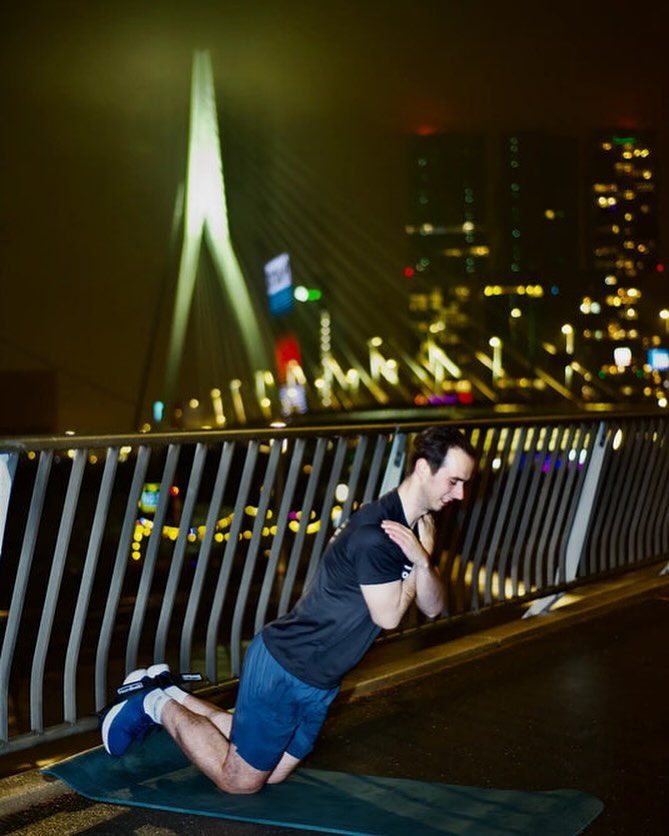
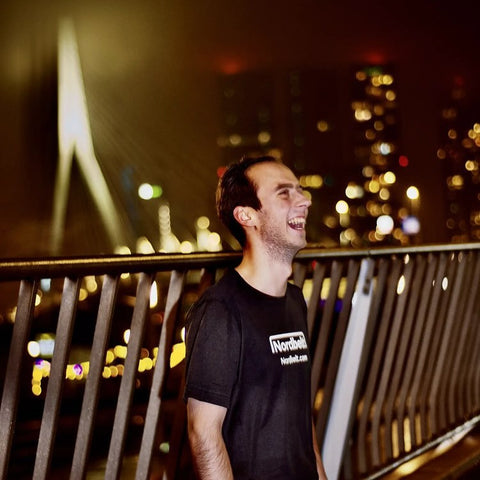
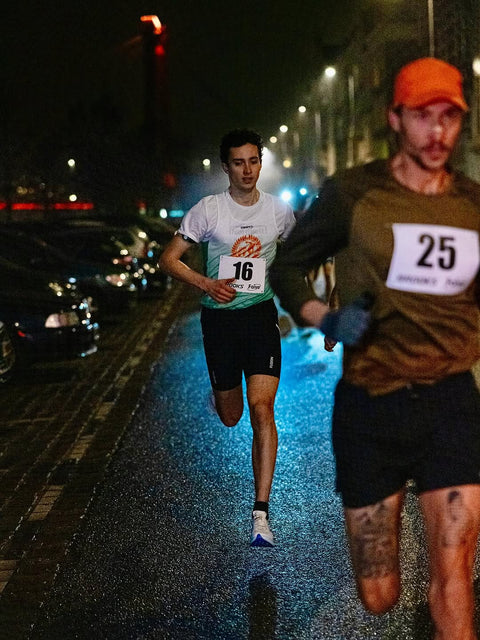
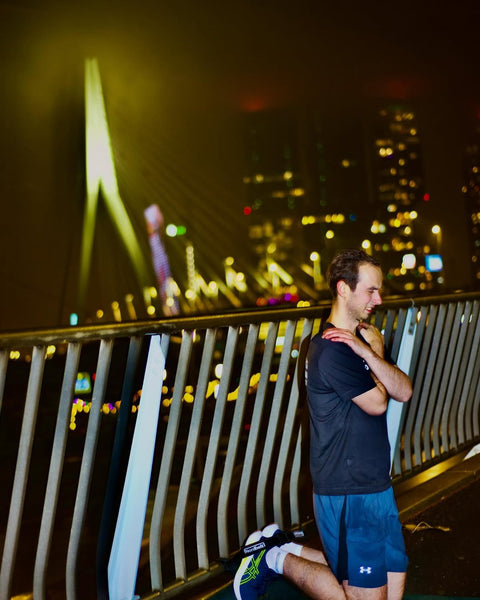
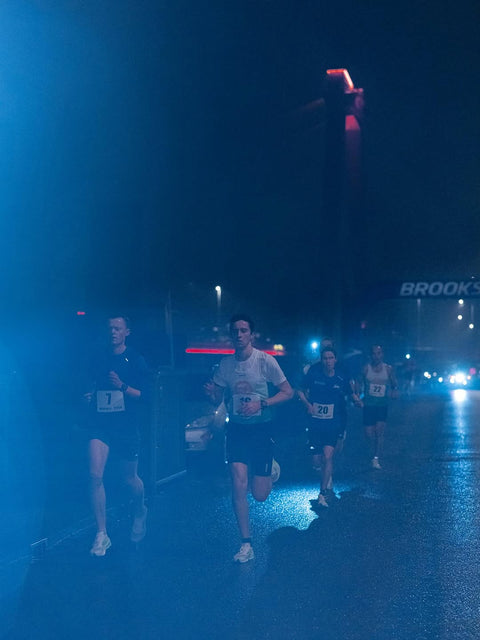
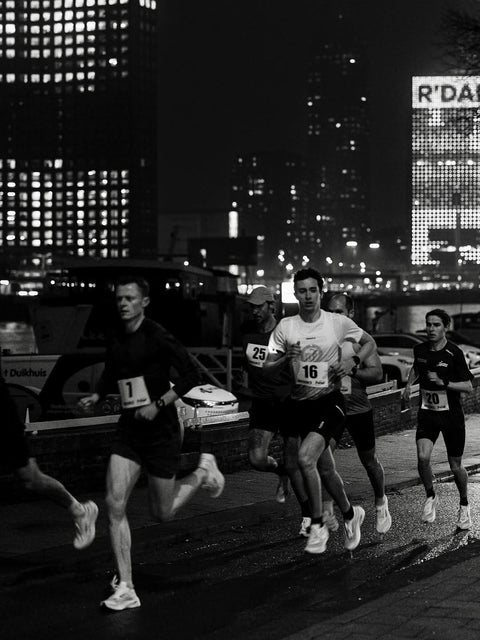
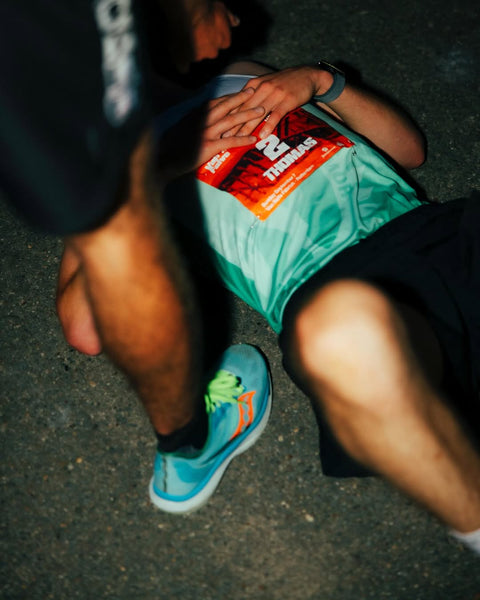
PUENTE ERASMUS · 23:40MONTAJE EN VALLA · EXTERIORRESPALDADO POR LA CIENCIANOCHE DE RÉCORD · LLUVIA¿DÍA DE DESCANSO? NO.ENTRE LA NIEBLAR'DAM CREWLO DIO TODO
Fotos reales de la comunidad Nordbelt y del equipo de la marca — directamente de nordbelt.nl.
10 ¿TRABAJAS CON DEPORTISTAS?
Un movimiento. Ayuda a más deportistas.
★★★★★
“Una solución excelente para el Nordic Hamstring Curl.”
Información clara desde el principio — sin letra pequeña detrás del botón de compra.
¿Una pregunta personal?contact@nordbelt.com
Respondemos normalmente en un día laborable.
¿Cómo uso Nordbelt? +
Elige una puerta, un banco de fitness, una valla o una barra estable. Cierra la hebilla, ajusta la longitud, comprueba el anclaje y empieza con repeticiones controladas.
¿Qué incluye el paquete? +
Nordbelt, una bolsa compacta, una guía práctica y un protocolo de entrenamiento progresivo de 10 semanas.
¿Necesito un compañero de entrenamiento o un banco? +
No. Nordbelt está diseñado para entrenar de forma autónoma sin un gran banco Nordic. Aun así, siempre necesitas un punto de anclaje firme y estable.
¿Es adecuado para recuperación o rehabilitación? +
Nordbelt puede facilitar el fortalecimiento controlado de los isquiotibiales. Durante la recuperación, decide el momento, la carga y la progresión junto con tu médico o fisioterapeuta.
¿Cuánto cuesta el envío? +
Envío estándar — Bulgaria: gratis.
¿Puedo devolverlo? +
Puedes solicitar una devolución dentro de los 30 días posteriores a la recepción. El producto debe estar sin usar, limpio y en su embalaje original; los gastos de devolución corren a cargo del comprador.
¿Nordbelt es adecuado para principiantes? +
Sí. Empieza con un rango de movimiento más corto y apoyo si lo necesitas, mantén las repeticiones controladas y sigue el protocolo de 10 semanas incluido. Detente si pierdes la técnica o sientes dolor.
¿Qué puntos de anclaje son seguros? +
Utiliza solo una puerta sólida, un banco de fitness pesado, una valla resistente o una barra fija que no pueda abrirse, deslizarse ni volcar. Antes de cada serie, tira con fuerza de la fijación en la misma dirección de la carga.
No existe una frecuencia única que sirva para todos. Usa el protocolo de 10 semanas como punto de partida progresivo y adapta el volumen y la recuperación a tu nivel, carga deportiva y técnica.
¿De dónde procede la afirmación de un 51 % menos de lesiones de isquiotibiales? +
El 51 % se refiere a programas que incluían la Nordic Hamstring Exercise, no a Nordbelt como producto. Una revisión sistemática y metaanálisis de 8.459 deportistas (van Dyk, Behan & Whiteley, Br J Sports Med, 2019) informó de una reducción de hasta el 51 %; los resultados individuales no están garantizados.
✓
Plazo de devolución de 30 días
Prueba Nordbelt.
Plazo de devolución de 30 días
Puedes devolver el producto en un plazo de 30 días. Debe estar sin usar, limpio y en su embalaje original; los gastos de devolución corren a tu cargo.
Ver la política de devoluciones
↩
Plazo de devolución de 30 días
Los gastos de devolución corren a cargo del comprador



 Thomas PereiraMédico y especialista en ciencias del movimiento · cofundador de Nordbelt
Publicado
3 min de lectura
Thomas PereiraMédico y especialista en ciencias del movimiento · cofundador de Nordbelt
Publicado
3 min de lectura