

Hamstring cramps at night: causes and what helps


Hamstring cramps at night can feel sudden and intense: the back of the thigh locks up, sleep is broken and relaxing the muscle takes a moment. Usually it is not dangerous, but fatigue, position, nerve-muscle sensitivity, medication, hydration and recent training can all play a role. Ease the cramp first, then use a calmer evening routine and gradual training plan instead of guessing with supplements.
Quick answer
A night cramp is a sudden involuntary contraction, not the same as normal soreness. It should settle when the muscle relaxes. If pain, bruising, weakness or pain while walking remains, treat it as more than a simple cramp. Trials suggest pre-sleep stretching may help some people, but results are mixed (Hallegraeff et al., 2012; Garrison, 2014).
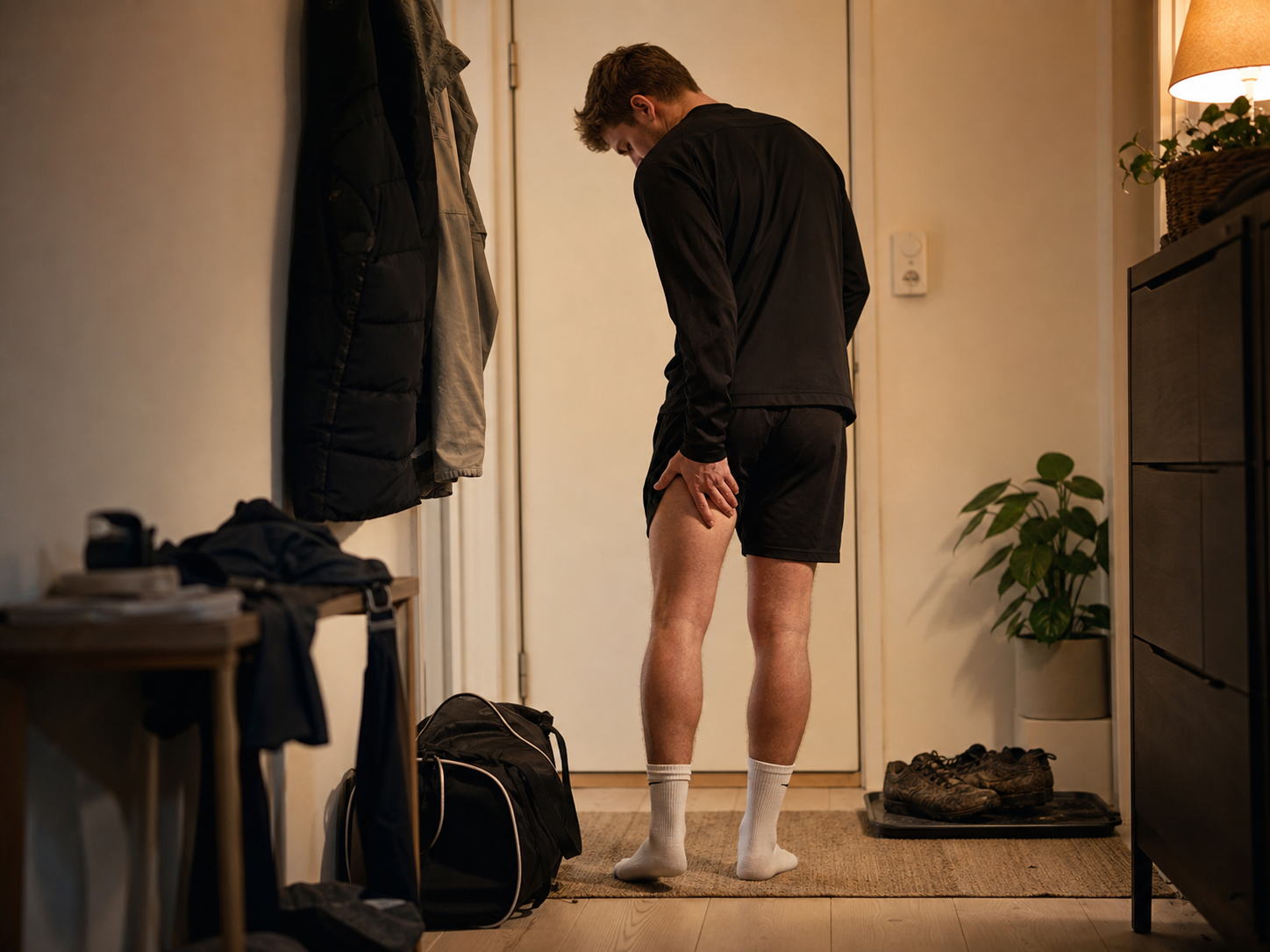
The useful distinction is simple: a cramp grabs and then releases, while an injury usually leaves a clearer pain pattern. If the hamstring feels normal the next morning, you can usually return to light movement. If it stays painful, use the guide on hamstring exercises with pain before adding load.
Why do hamstrings cramp at night?
There is rarely one single cause. After a heavy sprint, strength or running day, the hamstrings may be more irritable. Long sitting, sleep position, age, medication and general health can also matter. Exercise-associated cramp research points mainly to neuromuscular fatigue and altered reflex control; fluid and electrolytes may matter in some settings, but they do not explain every cramp (Miller et al., 2022).
Reviews of nocturnal leg cramps also describe medication and medical context as possible contributors (Allen and Kirby, 2012). That does not mean every night cramp is serious. It does mean that recurring cramps should not be reduced to one explanation such as low magnesium or not stretching enough.
What should you do when the cramp hits?
Do not yank the hamstring into a hard stretch. First make the position less threatening. Slowly extend the knee a little, move the ankle gently, and let the breath slow down. Light massage can help if it feels comfortable, but the aim is to persuade the muscle to relax, not to force range.
- Extend the knee slowly until the pull is tolerable.
- Move the ankle up and down a few times.
- Massage lightly, then pause.
- Stand only when the cramp is easing.
- Walk a few steps and drink if you are thirsty.
If the cramp leaves sharp pain, limping, a bruise or clear weakness, do not treat the next day like normal training. That pattern belongs closer to the broader hamstring cramp and pain decision tree.
How to reduce recurring night cramps
A simple routine is more useful than panic stretching. Try two or three calm hamstring and calf stretches for 20 to 30 seconds, avoid heavy hamstring sessions late in the evening, and note whether cramps follow sprints, long drives, alcohol, low food intake or sudden training spikes. A recent trial again showed that stretching is plausible, but not a universal cure (Tapper et al., 2024).
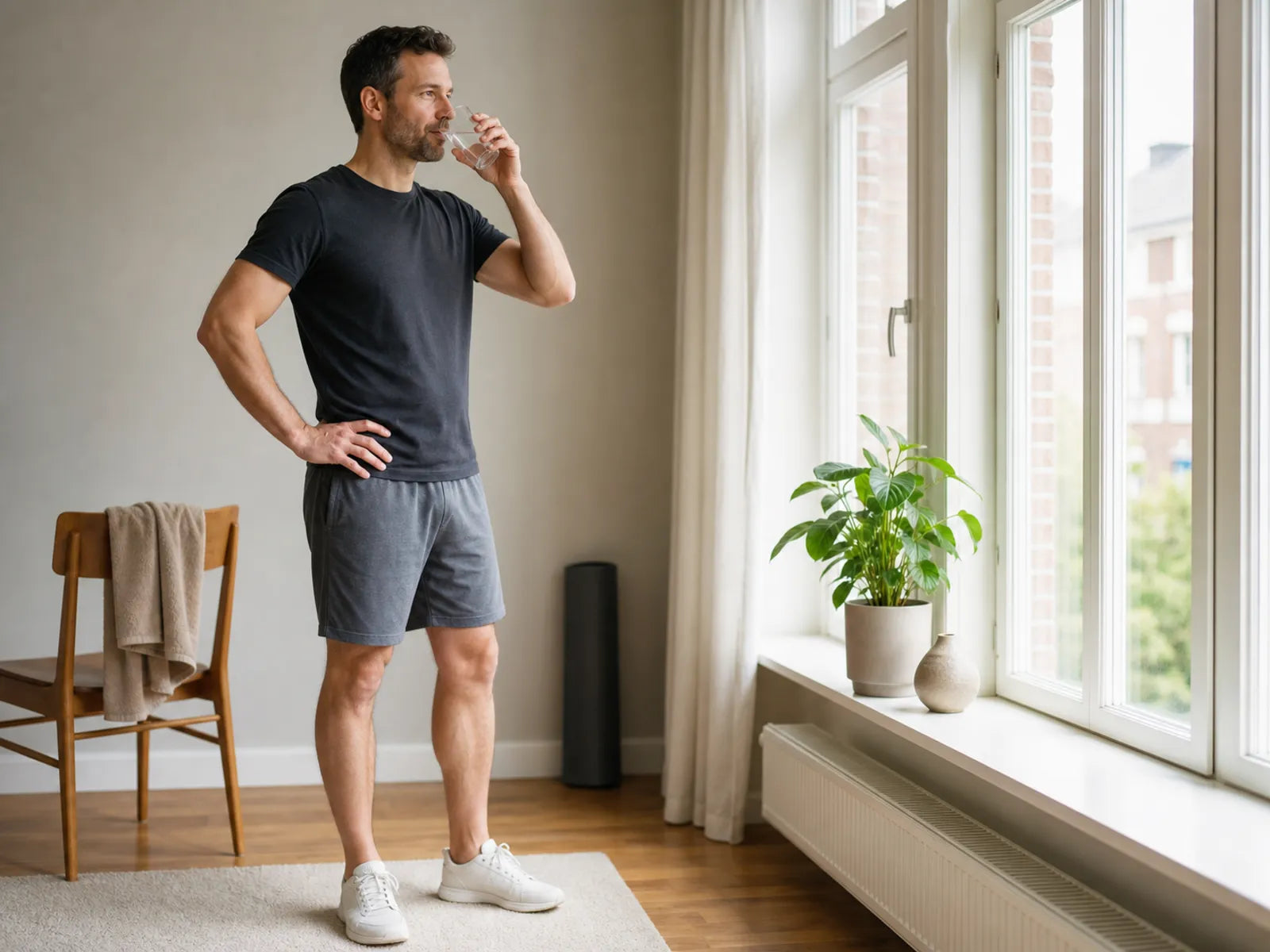
Keep the routine boring and repeatable. Stretch to a mild pull, not to a hard end range. If the stretch itself triggers the cramp, switch to gentle ankle movement, easy walking or a warm shower. The best routine is the one that reduces the next-night reaction without making the hamstring feel threatened.
Magnesium is also not an automatic fix; a systematic review did not find a convincing general benefit for nocturnal leg cramps (Sebo et al., 2014). Discuss supplements or medication changes with a clinician if cramps are frequent, if you are pregnant, or if you recently started new medication.
Training after recurring night cramps
If cramps often follow sport, review the week. Do not raise volume, speed and exercise difficulty at the same time. A common pattern is a sudden jump: more sprinting, a new hamstring curl variation, hill work, or a late strength session. The night cramp is then not random; it is feedback that the total load may have jumped too quickly.
Start with general hamstring exercises that you can repeat without next-day symptoms. When that is predictable, progress toward eccentric hamstring exercises in small steps. Keep at least 48 hours between the heaviest hamstring sessions when cramps are currently easy to trigger.
Where Nordbelt fits later
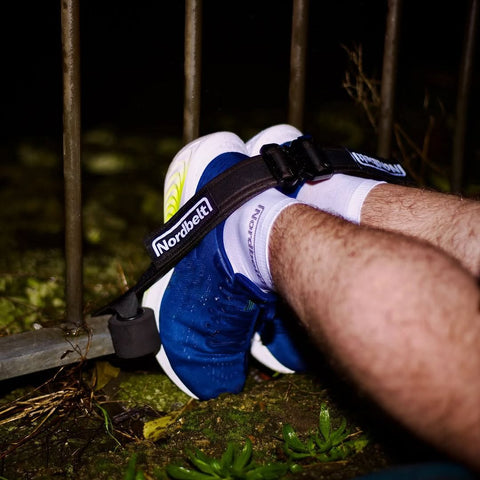
Nordbelt belongs later, once the acute cramp pattern is calm and you want repeatable ankle fixation for controlled hamstring work. Stable fixation can make exercises more consistent, but it does not make night cramps disappear overnight. Use the how-to guide first; then view Nordbelt as part of gradual training, not as a quick cramp cure.
When should you seek help?
Ask for medical advice if night cramps are new, severe, frequent, linked with swelling, redness, numbness, tingling, weakness, new medication or persistent daytime pain. Also get help if cramps keep disrupting sleep despite calmer loading and routine changes. In those cases the question is wider than one hamstring stretch.
FAQ
Are hamstring cramps at night dangerous?
Usually not if they settle quickly and leave no symptoms. They deserve assessment when they are frequent, unusual, severe or linked with swelling, neurological symptoms, weakness or persistent pain.
Does stretching before bed help?
Sometimes. Calm stretching may help some people, but the evidence is mixed. Keep it gentle and stop if stretching triggers the cramp.
Should I take magnesium?
Not automatically. Magnesium is often mentioned, but research does not support it as a universal solution. Discuss supplements if you use medication, are pregnant or have recurring symptoms.
Is it a cramp or a hamstring injury?
A cramp grabs suddenly and usually releases. An injury is more likely when pain, tenderness, weakness or sprint pain remains after the episode.