

Hamstring training protocol for physiotherapy: from assessment to home progression


A hamstring training protocol for physiotherapy should not be a rigid calendar plan. It works better as a decision framework: assess the complaint, build tolerance, add controlled strength, then test speed and sport tasks only when the athlete is ready. This article gives clinicians a practical route from assessment room to field and home programme.
In brief
A good hamstring protocol links progression to symptoms, strength, movement quality and the sport goal. Reviews describe hamstring injuries as problems where diagnosis, prognosis and return-to-sport criteria need to be considered together (Erickson and Sherry, 2017; Green et al., 2020). The protocol gives direction, while clinical reasoning decides the pace.
Step 1: assess before loading
Start by separating sprint-related strains, proximal tendon complaints and general posterior thigh stiffness. Record the mechanism, location, daily response and the final task the athlete must return to. If exercise is already sensitive, use the separate guide to hamstring exercises with pain before progressing.
Step 2: progress by response, not week number
Use phases rather than fixed dates. Phase one restores comfortable movement and light tension. Phase two builds bridges, hinges, walkouts and controlled curls. Phase three adds longer muscle lengths and eccentric work. A study in sprinters and jumpers found that a lengthening-focused protocol supported faster return to full training than a conventional exercise protocol (Askling et al., 2014). Phase four brings acceleration, braking and sport-specific work; for football, pair this with the guide on preventing hamstring injuries in football.
Step 3: choose exercises with a reason
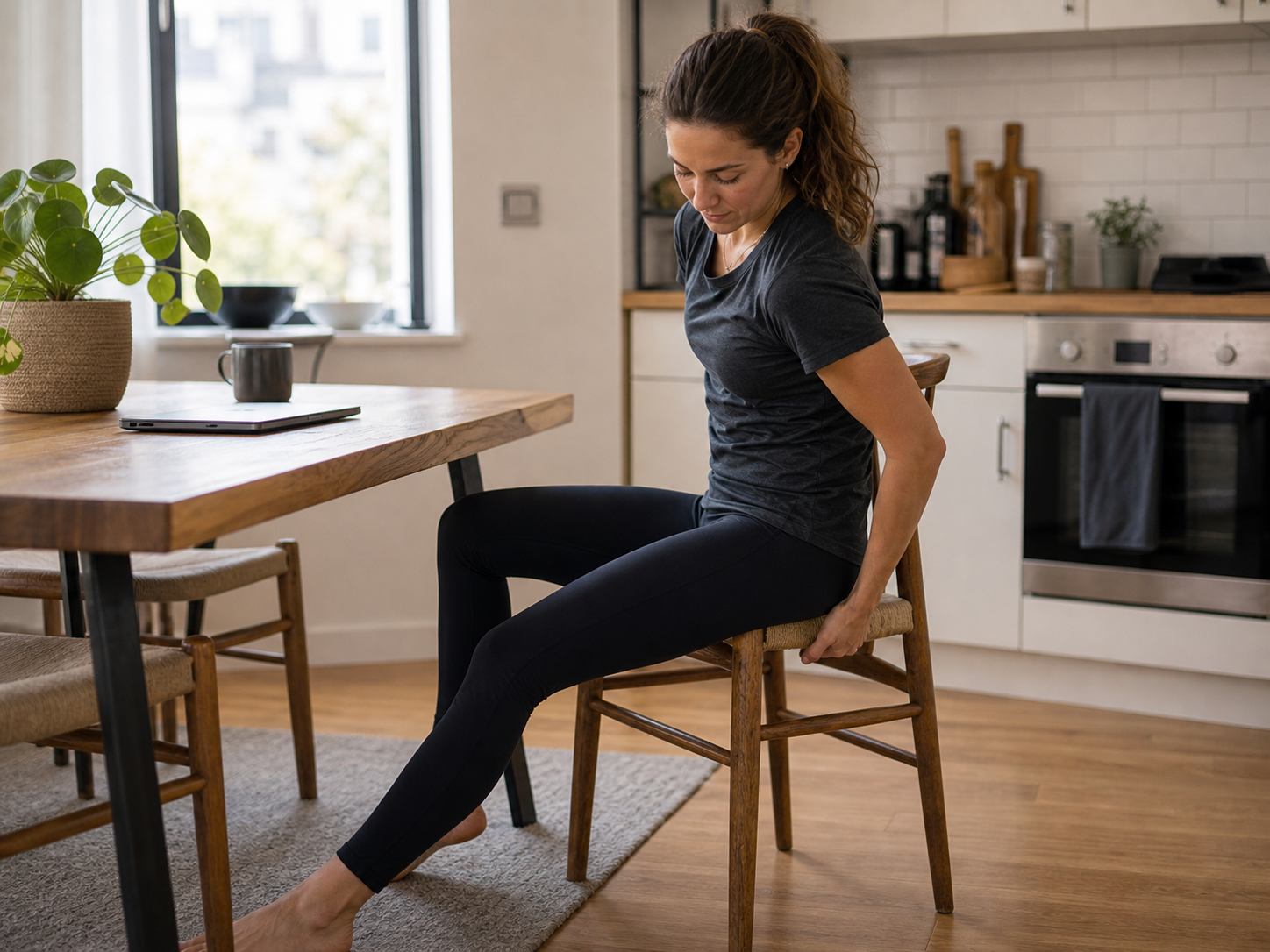
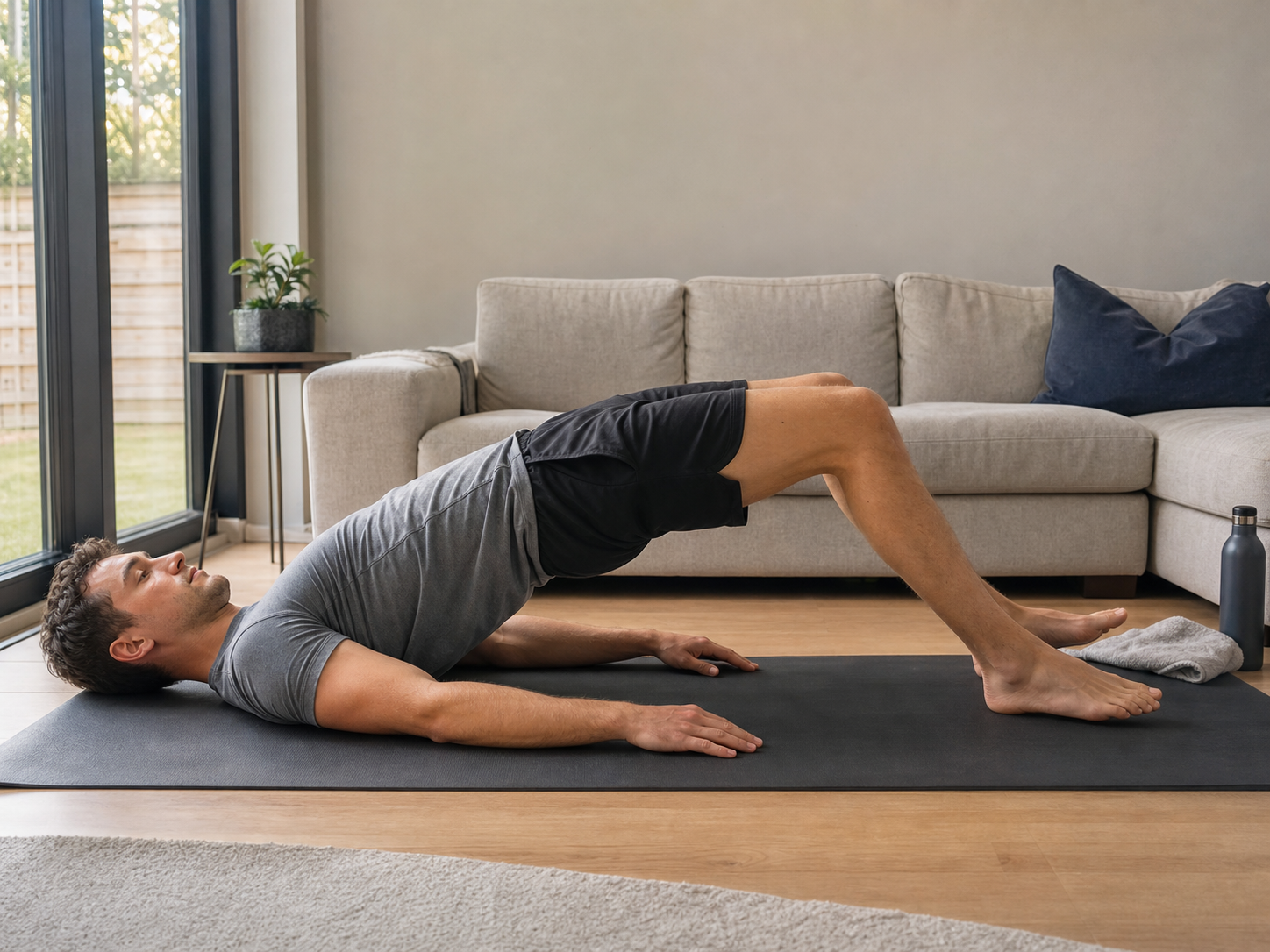
The exercise menu can be simple: bridge holds, single-leg bridges, Romanian deadlifts, slider curls, assisted Nordics and later controlled negative repetitions. The Nordic hamstring exercise has evidence for eccentric strength, fascicle length and injury-prevention programmes (Medeiros et al., 2020; van Dyk et al., 2019). The clinical question is when the athlete is ready for that stimulus.
Step 4: make home continuation match the clinic
Many programmes fail during transfer. The athlete performs a clean rep in the clinic, then improvises at home. Keep the names, stop rules and setup checks identical. The article on the Nordic hamstring curl explains the exercise; the home plan should make the execution repeatable.
Where Nordbelt fits
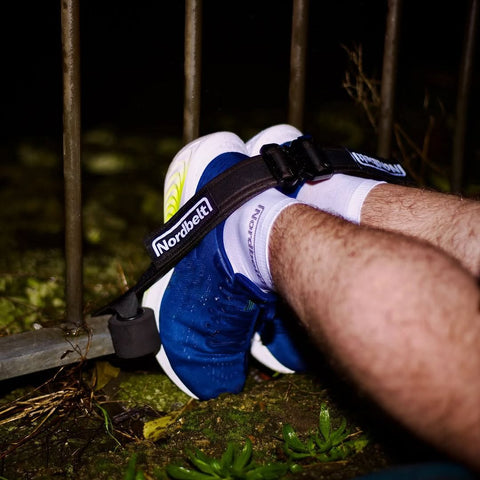
Once the athlete tolerates basic loading and needs a repeatable ankle fixation, Nordbelt can help keep the clinic and home exercise environment consistent. This is implementation support, not a replacement for clinical judgement. Practices can see the workflow on Nordbelt for physiotherapy clinics or start with the trial set for physiotherapy clinics.
Practical progression rules
- Increase range before volume.
- Increase eccentric demand only after the next-day response is calm.
- Keep hands ready during early Nordic progressions.
- Track speed exposure separately from strength work.
Consistency matters: implementation and adherence are often the limiting factors in Nordic-based prevention work (Ripley et al., 2021).
Clinical checkpoints before the next phase
Before moving to the next phase, check more than pain during the exercise. Ask how the athlete responds the next morning, whether walking and stairs remain normal, and whether the movement quality stays the same when fatigue appears. A clean clinic repetition does not automatically mean the athlete is ready for speed work.
Use simple criteria: no sharp pain, no increasing next-day reaction, stable pelvic control, and enough confidence to repeat the same task without a new explanation. If those criteria are not met, stay in the current phase and reduce range, volume or intensity rather than changing everything at once.
Example clinic-to-home flow
A practical session can be structured in four blocks. First, review the previous response. Second, test one familiar movement so the athlete has a reference point. Third, introduce only one new progression. Fourth, let the athlete repeat the home version with the exact same cues. This keeps the programme understandable and makes adherence easier.
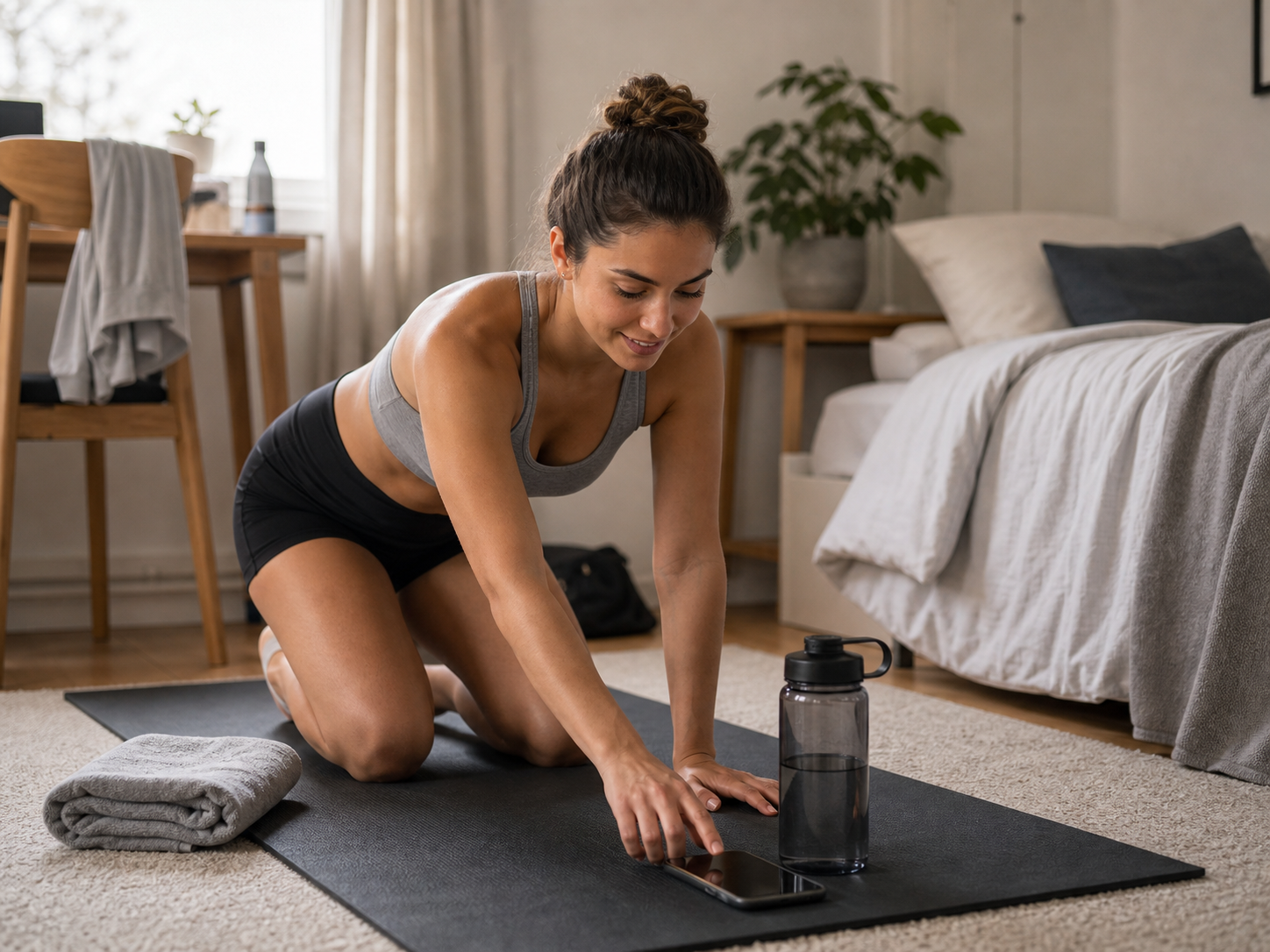
For example, a patient may perform bridge holds and light hip hinges in the clinic, then repeat the same two exercises at home. Later, the clinic session adds slider curls or assisted Nordics, while the home programme keeps the easier version until the next review. That prevents the home plan from becoming too aggressive too early.
When to step back
Stepping back is part of the protocol. Reduce the challenge if the athlete reports a clear increase in symptoms, loses control during the eccentric phase, changes running mechanics, or cannot recover between sessions. A temporary regression is not failure; it is how the protocol stays matched to tissue response and sport demand.
For clinicians, the main value is repeatability. If the same setup, cues and stop rules are used every time, it becomes much easier to judge whether the athlete is improving. If every session uses a different anchor point or a different exercise name, the signal becomes unclear.
The protocol should therefore be written as a shared practice language, not just as a list of exercises. That makes handover between colleagues easier and gives the athlete a clearer path from first tolerated load to later sport exposure.
FAQ
How long should a physiotherapy hamstring protocol take?
It depends on the diagnosis, sport level and response to loading. Use weeks for planning, but use function and reaction to decide progression.
When should Nordic hamstring curls be added?
Usually after the athlete tolerates basic movement, strength work and knee-dominant hamstring loading. Start with regressions or controlled negatives.
Can Nordbelt replace a protocol?
No. Nordbelt is a tool for consistent execution and home continuation. The clinician still decides the phase, dose and progression.