

Hamstring exercises for rugby: strength and weekly planning


Hamstring training for rugby should support running, acceleration, braking, changes of direction and contact situations. Combine knee-flexion and hip-extension strength with progressively dosed field training. The right starting point depends on your position, training history, symptoms and match schedule; no single exercise replaces rugby preparation.
What does rugby require from the hamstrings?
A video analysis of 17 acute hamstring injuries in professional male rugby union found several mechanisms, including running, decelerating, kicking, tackling and rucking. This observational study describes how those injuries happened; it does not test an exercise programme. (Kerin et al., 2022).
A small exploratory study in elite rugby players associated later running-related injuries with certain movement patterns. It cannot predict an individual injury or prove that correcting one movement prevents injury. (Kenneally-Dabrowski et al., 2019).
Six exercises to choose from
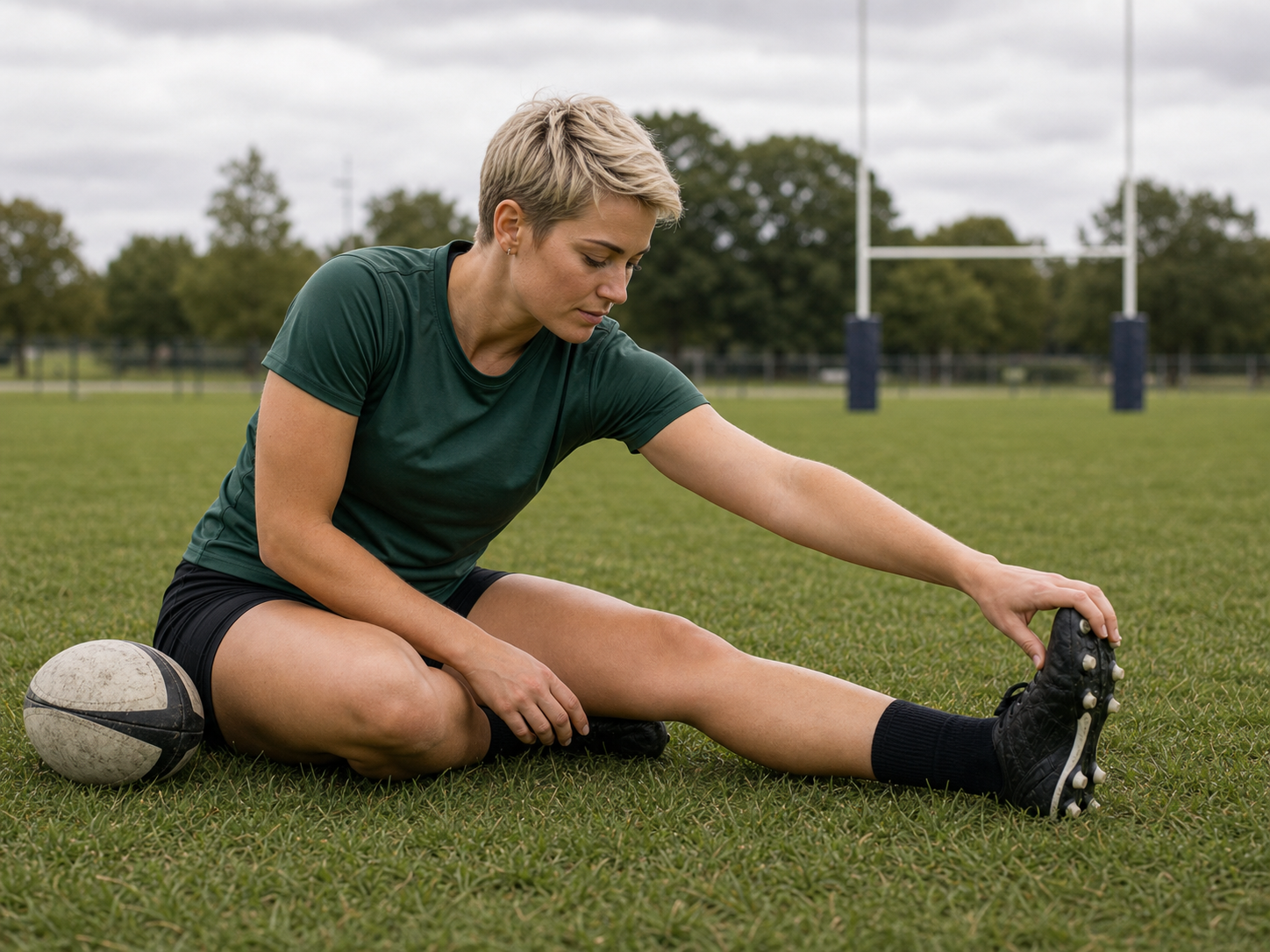
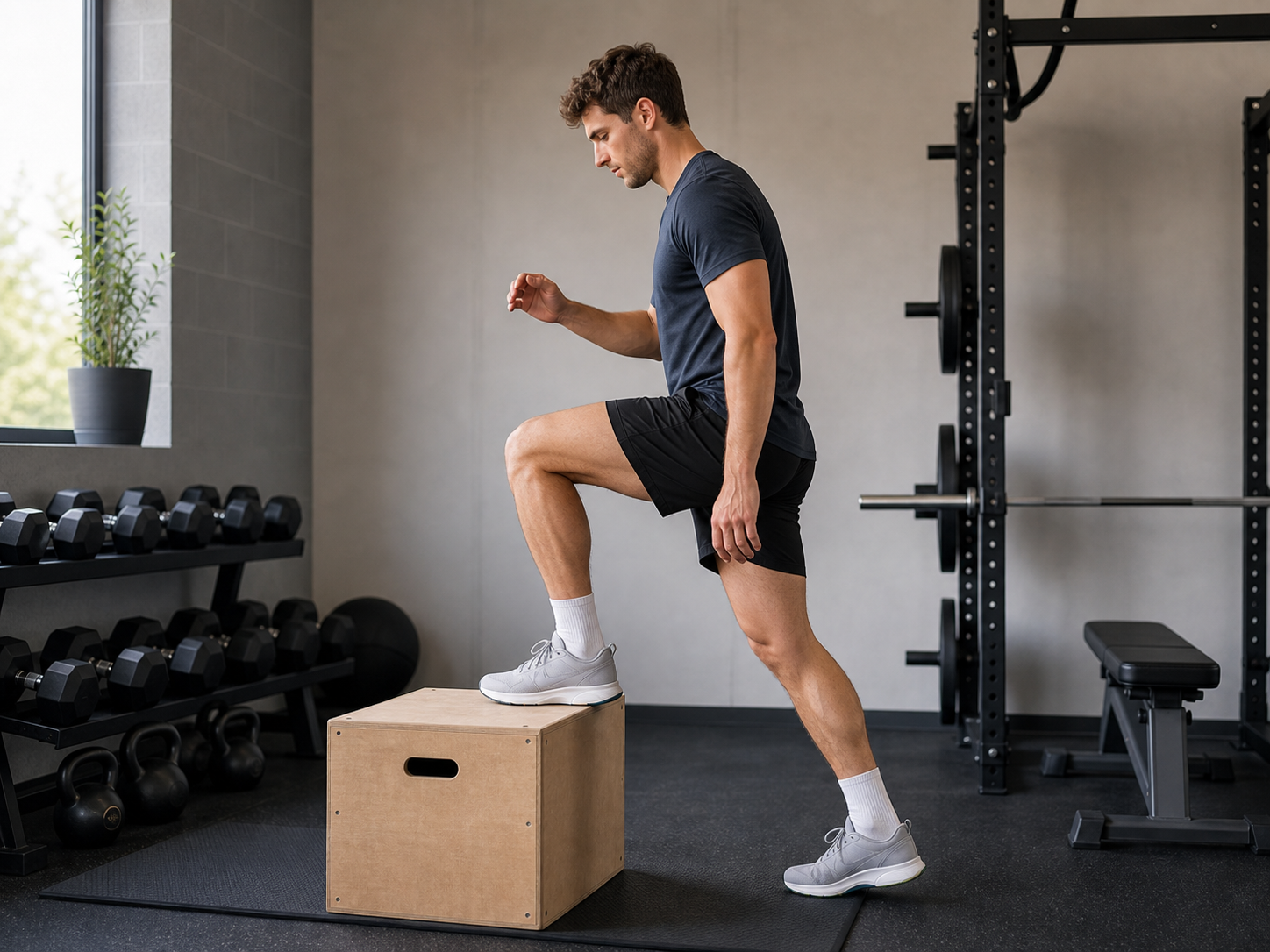
Choose a manageable knee-flexion exercise and a hip-extension exercise rather than adding every option at once. Keep the movement controlled and leave enough recovery for running and contact practice.
A systematic review of randomised trials supports eccentric strengthening in hamstring injury prevention and rehabilitation contexts. The evidence comes from different sporting groups and programmes; it does not validate this exact rugby exercise selection. (Rudisill et al., 2023).
- Heel-drive bridge: press through your heels and lift your pelvis without arching your back.
- Hamstring walkout: take small steps out from a bridge and return under control.
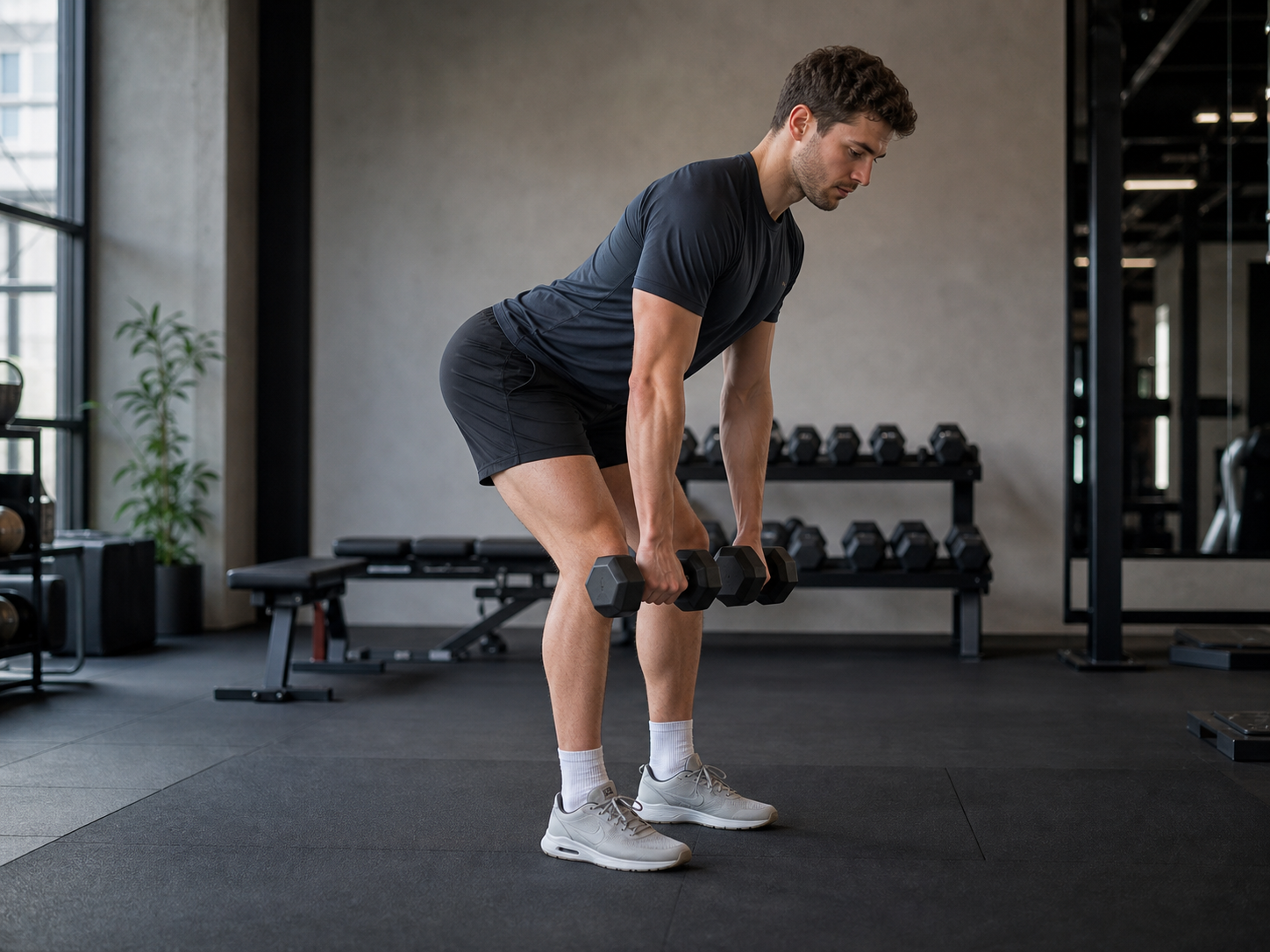
- Single-leg Romanian deadlift: hinge at the hip with a soft standing knee and a stable pelvis.
- Slider curl: slide your heels out and back while controlling hip height; shorten the range if necessary.
- Lateral lunge: step sideways, move your hips back and return without twisting or collapsing inward.
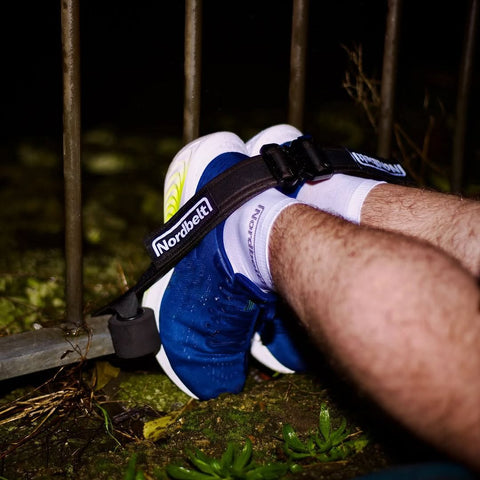
- Assisted Nordic curl: check your ankle fixation, start with a short range and use enough assistance to control the descent.
Where do Nordic curls fit?
A cluster-randomised trial found fewer hamstring injuries with a structured Nordic programme in male football players. That finding is relevant background, but it is not a guarantee for rugby players or evidence for an identical dose in every team. (Petersen et al., 2011).
A biomechanical study compared estimated muscle forces and stretches during several exercises and running. It helps explain why exercises load the hamstrings differently; it did not test injury prevention or readiness to return to rugby. (Breed et al., 2026).
How to plan strength around rugby
Map your match, hard running and contact sessions first. A practical example is one short strength session with a bridge or Romanian deadlift and a slider curl, then another short session with an assisted Nordic if recovery allows. This is an example, not a validated rugby protocol. Avoid introducing unfamiliar heavy eccentric work just before a match. Increase one variable at a time and review the response that day and the next day. Sprint exposure, contact preparation and return after injury need their own gradual progression with your coach or clinician.
Frequently asked questions
Which exercises can I do at home?
Bridges, walkouts, bodyweight single-leg Romanian deadlifts and slider curls are options. Nordic curls also require an appropriate anchor, stable ankle fixation and a controlled regression.
How often should I train hamstrings alongside rugby?
There is no universal frequency. One or two short sessions can be a starting example, but match congestion, experience, soreness and field load determine whether that fits.
Can these exercises prevent every hamstring injury?
No. Exercise can support preparation, but no programme removes injury risk. Sudden pain, clear loss of strength or recurring symptoms require assessment before increasing the load.
Related exercise and setup guides
Nordbelt can support repeatable ankle fixation for solo Nordic curls when the anchor and fit are suitable. The equipment does not determine whether the exercise or load is appropriate for your condition.