

Hamstring exercises for athletes: strength, control and sport transfer


“Nordbelt is easy to secure and feels stable.”
Hamstring exercises for athletes should build more than a tired feeling in the back of the thigh. A useful plan combines sprint exposure, eccentric braking strength, hip strength and control in positions that transfer to sport. Do not choose a random exercise list. Build from basic strength toward speed, repeatable technique and the specific demands of your sport.
Why hamstring exercises for athletes are different
Athletes use the hamstrings while sprinting, braking, changing direction and accelerating again. Sprint mechanics research shows that the hamstrings face high force and length-change demands, especially late in swing (Schache et al., 2012). For a broader starting point, use hamstring exercises for strength and flexibility; this page focuses on sport transfer.
Hamstring strengthening exercises for athletes
Start with short accelerations, then add one eccentric option, one hip-dominant strength exercise and one control exercise. Nordic curls are useful because Nordic hamstring training can improve eccentric strength and muscle architecture, but the dose has to be realistic (Medeiros et al., 2020).
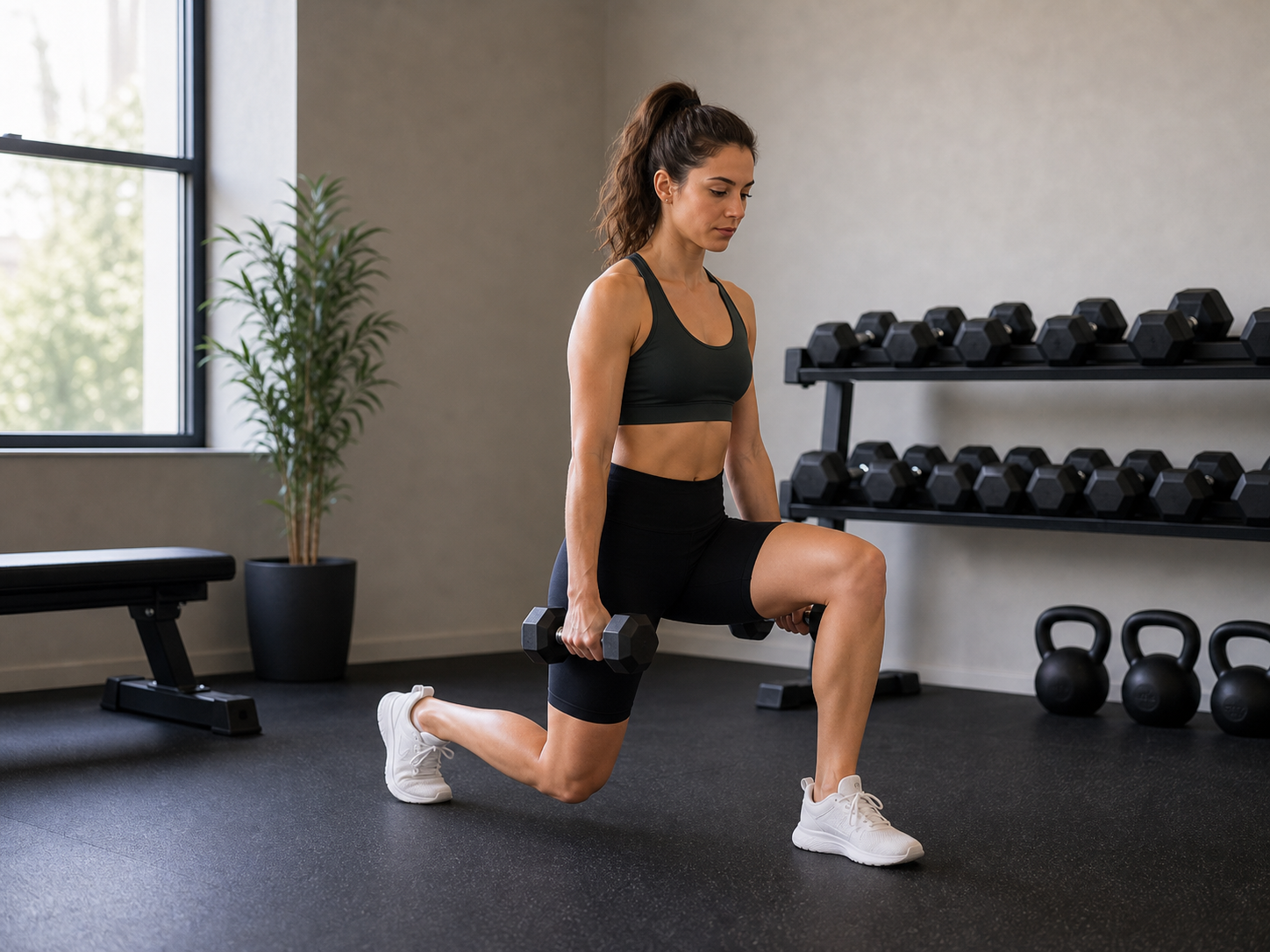
Use assisted Nordics or short eccentric reps if full reps are too heavy. For more exercise choices, use eccentric hamstring exercises. Slider curls help athletes learn control before the lever becomes harder. Sprinting still has to stay in the plan, because isolated hamstring exercises do not fully replace the speed-specific sprint stimulus (Prince et al., 2020). If your goal is pure speed, read explosive hamstring exercises next.

How to choose the right stimulus
The best athlete plan starts with the missing quality. A field athlete who already sprints twice per week may not need more speed exposure; they may need a small amount of eccentric strength that does not ruin the next session. A gym athlete who lifts well but rarely runs fast may need carefully introduced accelerations. A youth athlete may need simpler control work before heavy Nordics. This is why hamstring strengthening exercises for athletes should be selected by role, training age and weekly load, not by how impressive an exercise looks online.
A practical rule is to keep one main hamstring goal per session. If the goal is speed, use short accelerations while fresh and keep the rest of the session clean. If the goal is strength, choose one Nordic or slider variation and one hip-dominant lift. If the goal is return to harder sport work, use lower volume and leave enough recovery before the next fast day. The athlete should finish with better control, not with a hamstring session that disrupts the rest of the week.
Take your Nordic curl from the first rep to week 10.
A concrete 7-page plan: build up week by week, without pushing too fast.
- 01A clear week-by-week progression
- 02Technique and the mistakes to avoid
- 03A simple log you will actually use

≤51%
✓Backed by research
Van Dyk et al., 2019: meta-analysis of programmes with NHE. Not an effect test of Nordbelt or this protocol.
Open the download page again or check the email we sent you.
Open the download page ↗How to place the work in a sport week
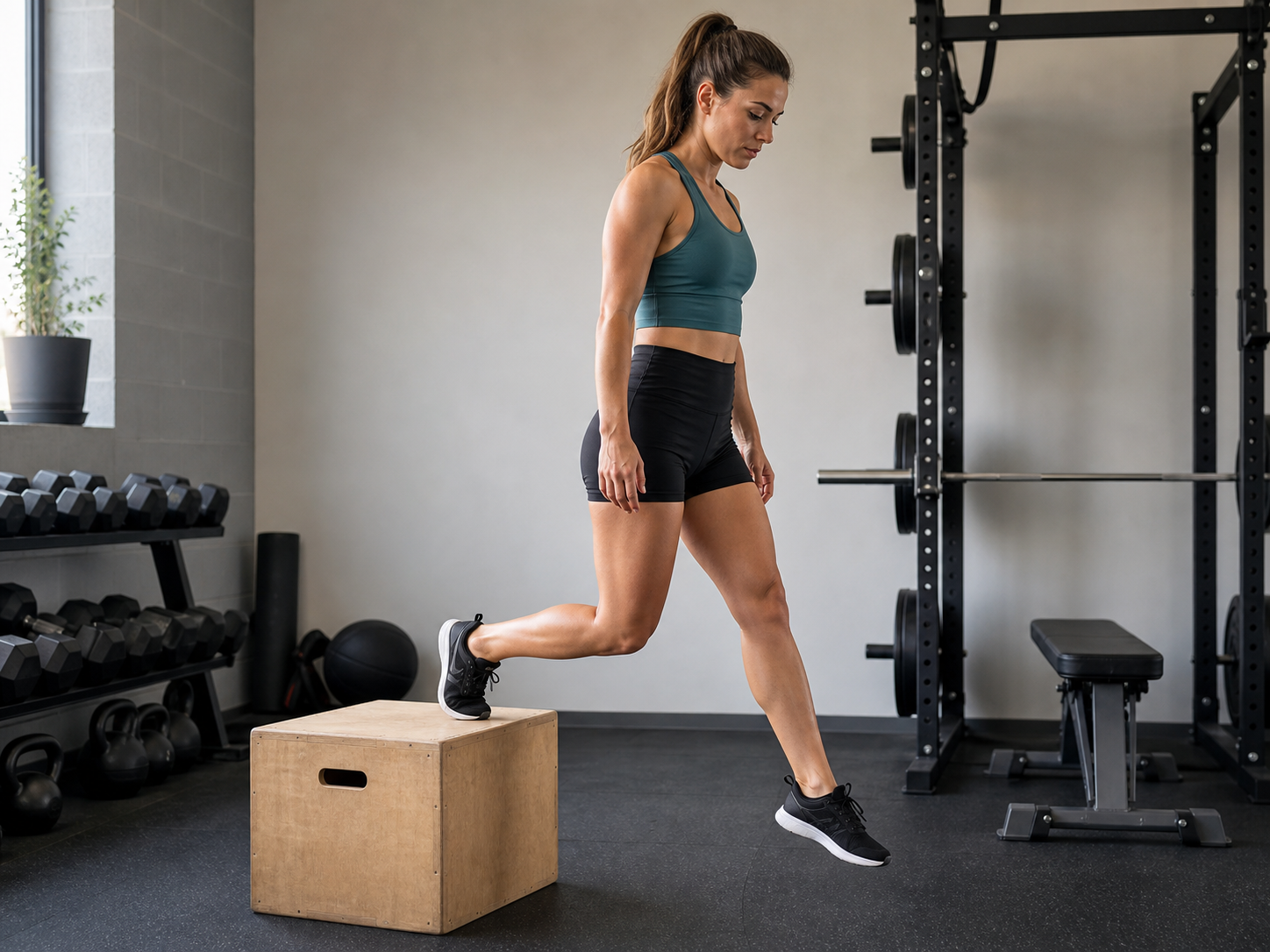
Put fast and coordinated work early in a session. Keep heavy eccentric work away from match day or a hard sprint day. A simple week can include one sprint or field session, one strength day with a Nordic or slider plus a hip hinge, and one lighter control day.
Football players can use the Nordic hamstring curl plan for football to place sets and reps around training and matches. Nordic programmes can reduce hamstring injuries in football when athletes keep doing them and progress the load well (Petersen et al., 2011). Runners should also consider hamstring exercises for runners, because mileage, intervals and hill work change the weekly load.
Example sessions for different athletes
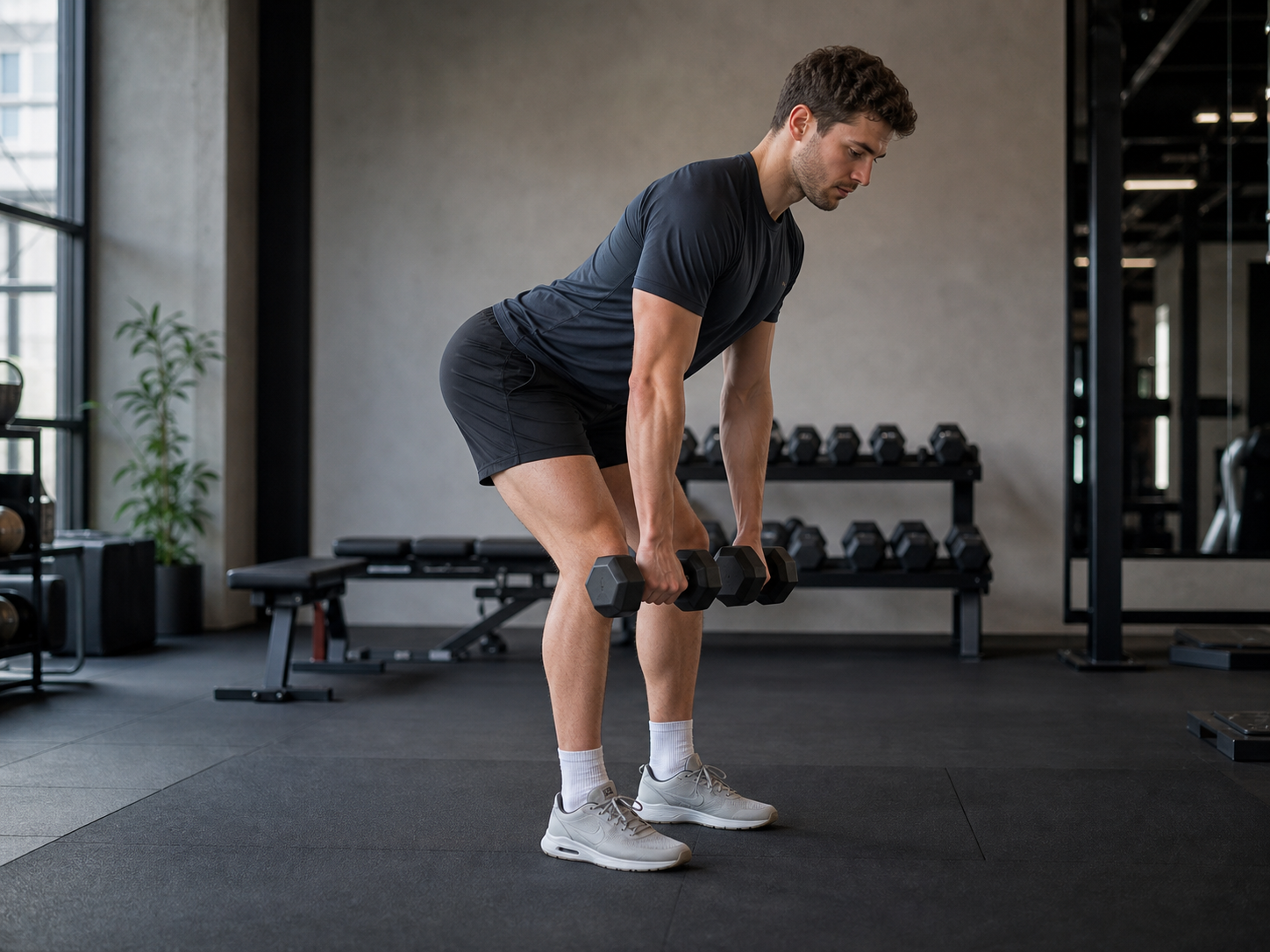
For a field-sport athlete, a simple session might be four to six short accelerations, followed by two to three sets of assisted Nordics and a light hip hinge. For a strength athlete, the session might use Romanian deadlifts first, then sliders as controlled accessory work. For a runner, the strength day should usually sit away from the hardest interval day, because fast running and heavy eccentric work both load the hamstrings.
Do not progress everything at once. Increase sprint volume, Nordic range, sets or hinge load one step at a time. If the athlete feels sharp pain, loses sprint mechanics or notices a clear drop the next day, reduce the range or volume before adding more work. Good hamstring training for athletes is repeatable over months, not just hard in one session.
Where Nordbelt fits
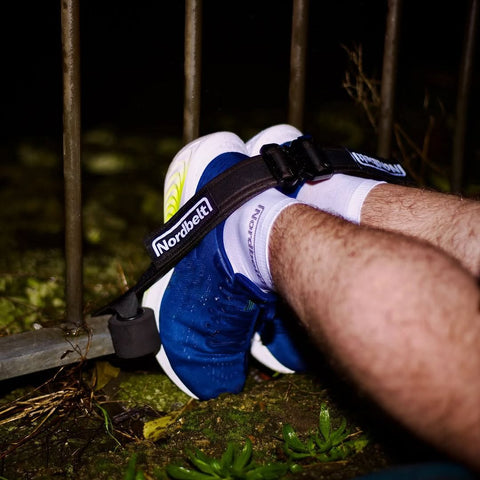
Nordbelt fits the part where an athlete needs repeatable ankle fixation: Nordic curls, assisted Nordics and fixed anchor setups. You do not need a product for sprinting itself. For the strength work afterward, stable low fixation makes each rep easier to repeat. View Nordbelt and use the how-to guide to check the setup before loading it.
FAQ
What are the most important hamstring exercises for athletes?
Short accelerations, an eccentric option such as a Nordic curl, slider curls and a hip-hinge pattern cover most needs. The exact mix depends on sport, training phase and current tolerance.
How often should athletes train hamstrings?
Two focused stimuli per week are enough for many athletes: one speed-specific exposure and one strength or eccentric exposure. Add more only when total sprinting, lifting and competition load are under control.
When should athletes use Nordic curls?
Use Nordic curls when the athlete can brake the movement without panic or hip compensation. Start assisted or through a short range, then increase range or volume only when the next-day response stays calm.
Are hamstring exercises for athletes the same as rehab exercises?
No. Some exercises overlap, but the goal is different. Rehab often starts with tolerance, symptoms and staged return to load. Athlete performance work starts from the current sport schedule and asks which strength, speed or control quality is missing. If pain is present, use a clinical plan instead of turning this article into a rehab protocol.
Can athletes do these exercises at home?
Some parts can be done at home: sliders, assisted Nordics, hip-hinge variations and short control work. Maximum sprint exposure needs enough space and a safe surface. If the home setup is used for Nordics, stable low fixation matters more than adding range too quickly.