

Hamstring exercises for rowing: stronger drive, control and acceleration


Hamstring exercises for rowing should make the drive, leg push, trunk control and accelerations stronger without shifting extra load to the lower back or knees. Start with control around the hips and pelvis, then add eccentric strength and use the Nordic hamstring curl only when the base responds well. Rowing hamstring exercises work best when they fit around water sessions, ergometer blocks and strength training.
Key points
Good hamstring training for rowing combines three qualities: hip strength for the drive, trunk control through the catch-to-finish transition, and eccentric control so the hamstrings can tolerate repeated load. Rowing performance is not decided by one muscle alone; technique, physiology, force production and coordination work together (Yusof et al., 2022; Rodriguez et al., 1990).
Use this article as a rowing-specific layer on top of the general guide to hamstring exercises. Choose two movements first, place them in the week, and progress only when the stroke, back comfort and recovery stay stable.
Why rowing loads the hamstrings differently
Rowing looks smooth, but the hamstrings change jobs on every stroke. At the catch, hips, knees and trunk need a strong starting position. During the drive, the legs and hips create force. Toward the finish, you need tension without hanging on the low back. On the ergometer the repetitions add up quickly: many strokes, little rest and the same joint angles again and again.
That is why making the hamstrings stronger for rowing is not the same as doing heavier leg curls. You need hip power, eccentric control and a pelvis that stays quiet under fatigue. Rowing injury reviews point to load, technique and sport-specific stroke forces as practical factors to manage (Rumball et al., 2005; Hosea and Hannafin, 2012).
Which hamstring training should rowers choose first?
Start with exercises that make the rowing movement feel cleaner. If a session makes the catch stiff, brings on low-back tension or ruins the next erg block, the stimulus was probably too heavy or badly timed.
- Glute bridge with heel pressure
- Hip hinge with a dowel
- Hamstring walkout
- Single-leg Romanian deadlift
- Slider leg curl
- Tempo Romanian deadlift
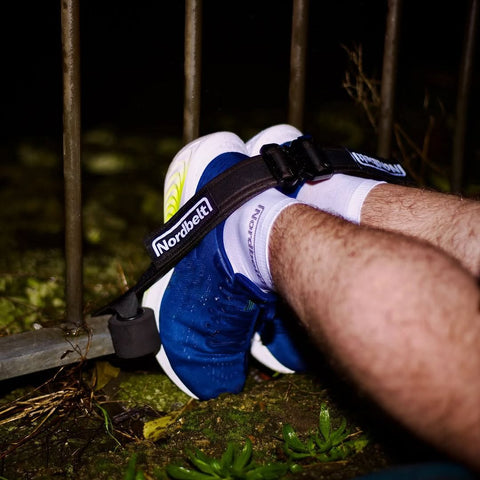
- Assisted Nordic hamstring curl
- Full Nordic hamstring curl
The 7 best rowing hamstring exercises
Use two or three exercises per strength session. The best rowing hamstring exercises are the ones that improve the stroke without leaving heavy soreness before the next boat or erg session.
1. Glute bridge with heel pressure
Lie on your back, place the heels slightly farther from the hips and lift the pelvis slowly. Pull the heels toward you without moving them. Think ribs down, pelvis level and pressure through both heels.
2. Hip hinge with a dowel
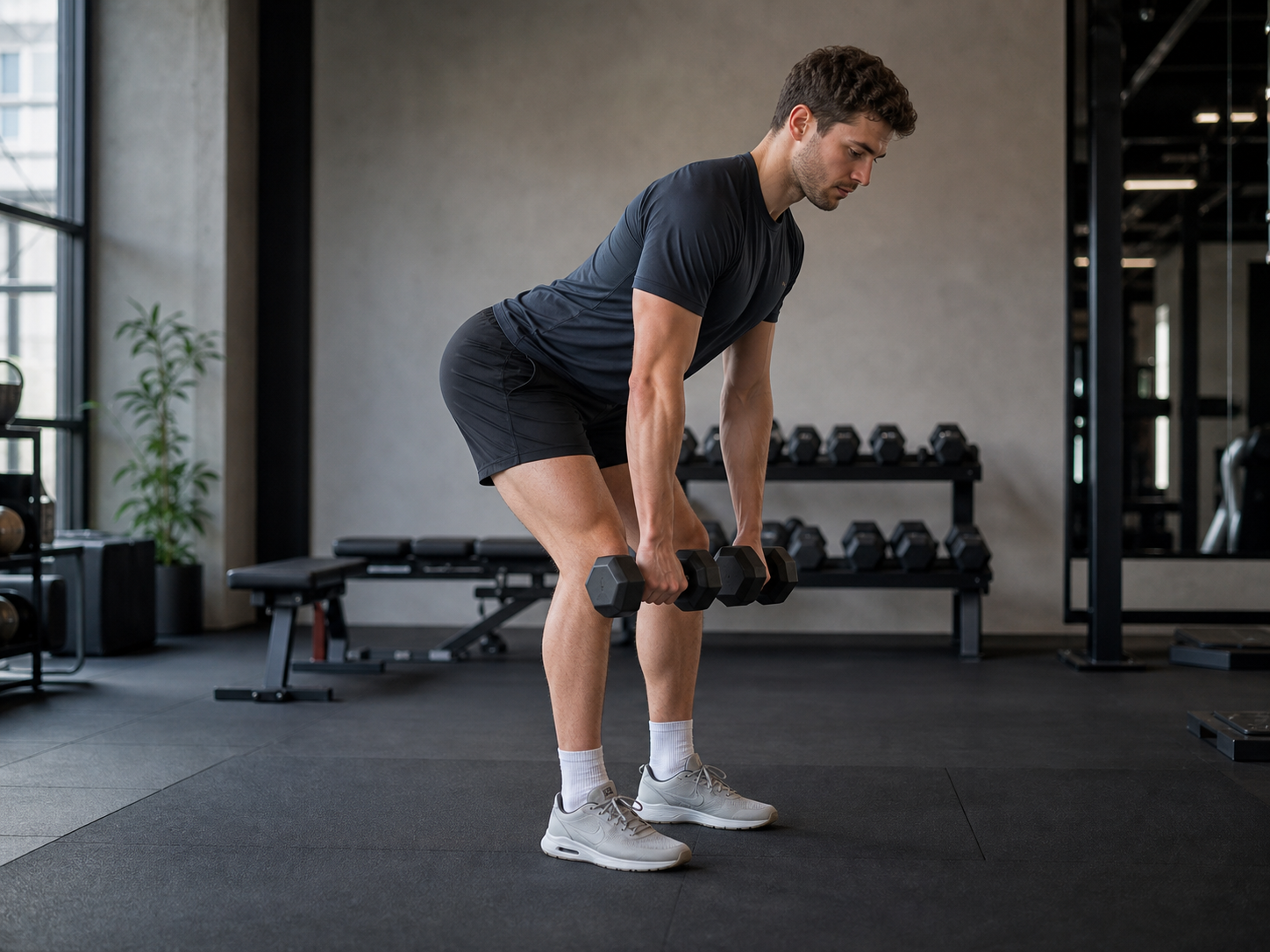
Hold a dowel along the head, upper back and pelvis. Push the hips back while keeping three contact points. This teaches the hinge you need when pressure rises in the drive.
3. Hamstring walkout
Start in a bridge and walk the heels away in small steps. Keep the pelvis still. Stop before the low back arches.
4. Single-leg Romanian deadlift
Stand on one leg, move the hips back and keep the pelvis square. This is useful for rowers who collapse to one side when tired.
5. Slider leg curl
Use sliders or socks on a smooth floor. Extend slowly, pull back with control and keep the hips lifted. Start with two legs before moving to harder versions.
6. Tempo Romanian deadlift
Lower for three seconds, pause briefly and stand up with control. Keep it moderate; this is a training tool, not a max lift before rowing.
7. Assisted Nordic hamstring curl
Use support so every repetition stays smooth. Research on Nordic hamstring work supports eccentric hamstring strength and injury-risk reduction in field sports, but rowers still need a gradual progression (van Dyk et al., 2019; Bourne et al., 2018; Rudisill et al., 2023).
Where the Nordic hamstring curl fits
The Nordic hamstring curl can be useful for rowing, but it should not be the first exercise for every athlete. Add it after bridges, hinges, walkouts and slider curls are well tolerated. Begin with assisted reps, short ranges or a small set at the end of a lower-body session.
Weekly planning for rowing
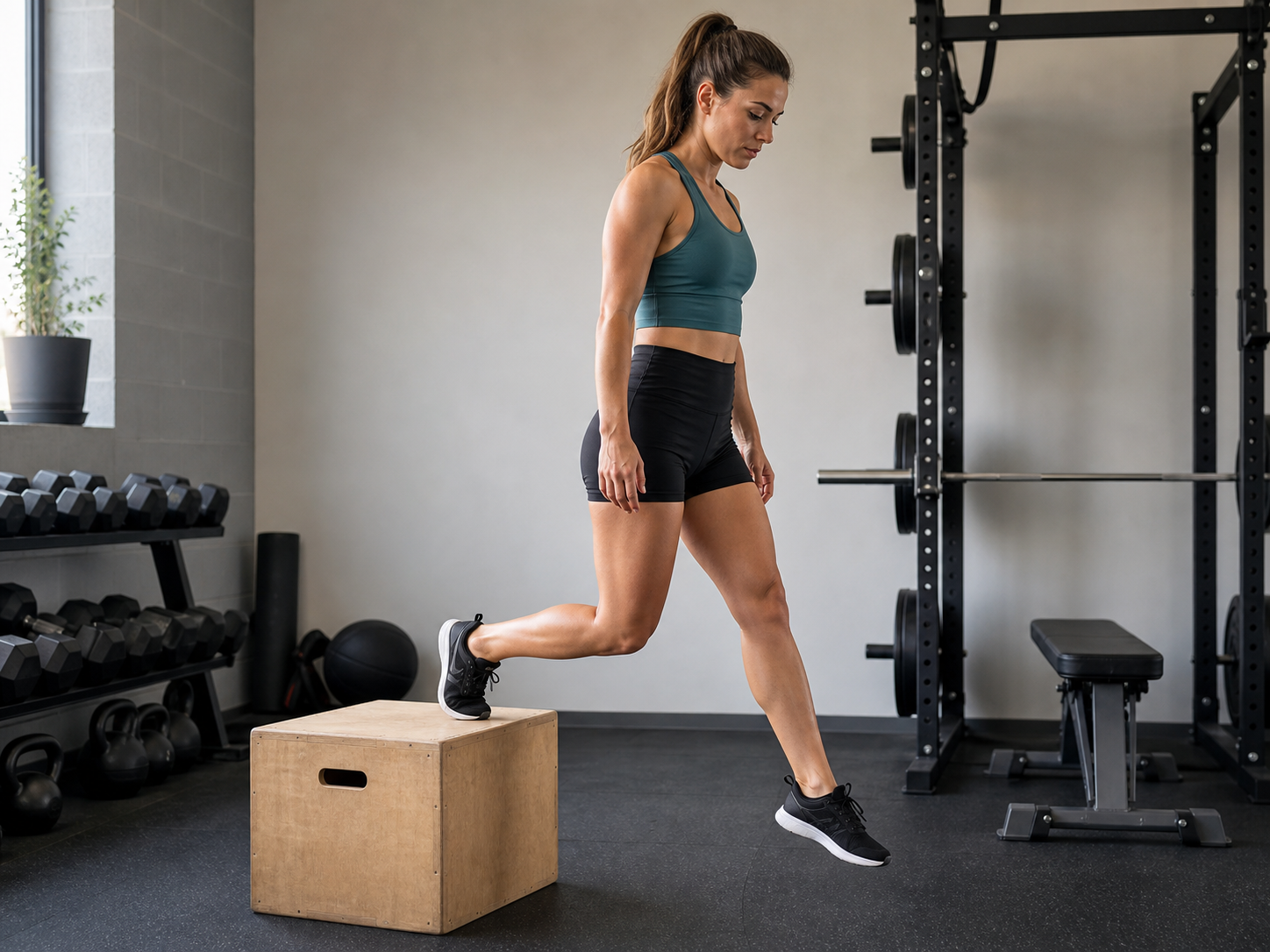
For most rowers, two short strength blocks are enough. Put heavier eccentric work after a technical or moderate rowing day, not directly before starts, sprint work or a hard ergometer test. Keep at least one easier day after the first Nordic or heavy hinge session.
- Base phase: two sessions, two exercises, controlled tempo.
- Build phase: add a hinge or slider curl, then assisted Nordics.
- Race phase: reduce volume and keep only the exercises that make the stroke feel better.
For more detail on loading, use the guide to eccentric hamstring exercises alongside this rowing plan.
FAQ
What is the best hamstring training for rowing?
Start with bridges, hip hinges, walkouts and slider curls. Add heavier Romanian deadlifts and Nordics only when soreness and rowing quality remain stable.
Are Nordic hamstring curls good for rowers?
Yes, when progressed carefully. They are demanding, so use assisted versions first and avoid placing them before the hardest rowing session of the week.
How do I prevent hamstring problems in rowing?
Manage total load, keep technique clean under fatigue and progress strength work slowly. Pain, sharp pulling or a sudden loss of power is a reason to reduce load and get individual advice.
Can I do these exercises on ergometer days?
Light control work can fit after an easy erg session. Heavy eccentric work fits better after moderate training or on a separate strength day.